How Travel Software Transformed a Small DMC
Explore how travel software revolutionizes small DMCs by enhancing efficiency, boosting sales, and improving customer satisfaction.
· malysddm

- 40% fewer manual tasks with automated booking systems
- 30% higher client satisfaction through faster responses and real-time updates
- 25% increase in profit margins due to better pricing and operational efficiency
For instance, software like Odys combines sales, operations, and financial tools into one platform, helping DMCs streamline processes, cut costs, and grow revenue. After implementation, one DMC saw a 55% proposal conversion rate and saved $45,000 annually in operational costs.
Adopting travel software isn’t just about efficiency - it’s about scaling operations and staying competitive in a fast-paced industry.
Travel Technology Solutions for DMC
Choosing Travel Software
Picking the right travel software is a key step for DMCs aiming to upgrade their operations. It requires a thoughtful look at your business needs, technical requirements, and future growth plans.
How Odys Supports DMCs
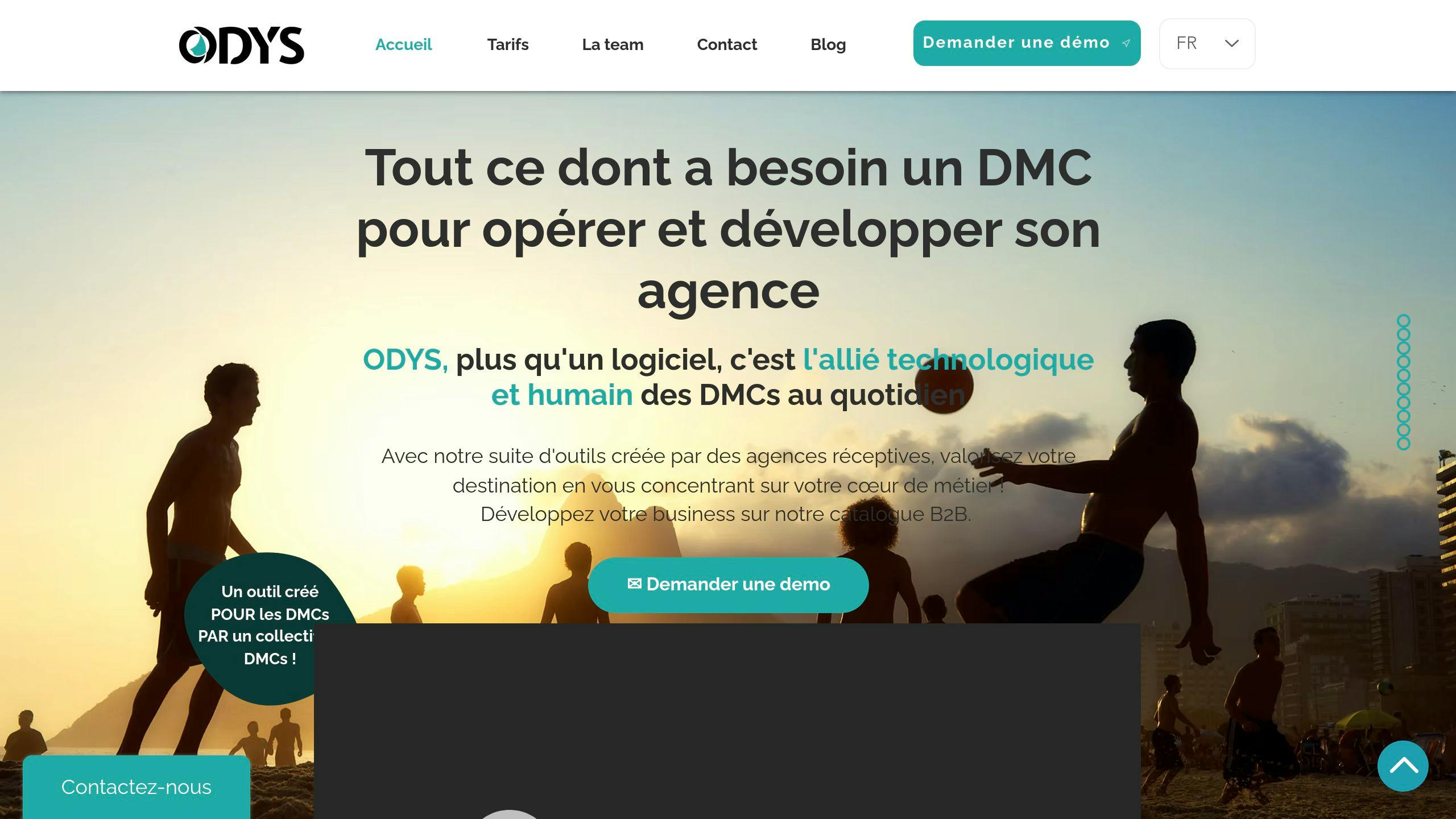
For smaller DMCs, software like Odys offers solutions tailored to their specific challenges. From managing sales and operations to handling finances and team collaboration, Odys is designed to tackle the unique hurdles destination management companies face. This all-in-one platform streamlines various aspects of operations, making it easier to manage everything in one place.
Odys helps DMCs by boosting sales conversions, cutting down on manual work, improving financial accuracy, and facilitating team collaboration. Its tools include structured discovery calls, interactive proposals, real-time booking tracking, and automated financial management.
One standout feature is its built-in quality process, which allows teams to track interactions and monitor prospects effectively. The structured discovery call format also helps refine proposals early, minimizing unnecessary back-and-forth communication.
Setup and Training Steps
Getting started involves reviewing workflows, migrating data, training staff, and gradually transitioning to the new system. This phased approach ensures minimal disruption to daily operations, with most DMCs reaching full efficiency within the first three months [1].
A well-planned setup, combined with ongoing support, ensures teams can smoothly adjust to their new tools while keeping business running as usual. This methodical process helps staff build confidence in using core features while gradually mastering advanced tools, leading to better operations overall.
With the right software in place, daily operations can transform significantly, laying the groundwork for growth and improved efficiency - topics that will be covered in the next section.
Changes in Daily Operations
The introduction of travel software has reshaped daily operations, replacing manual, time-intensive tasks with efficient, automated processes. These updates have redefined how the DMC handles its essential business functions.
Booking Management Made Easier
Switching to automated booking systems has completely changed how reservations are managed. With Odys's integrated tool, the DMC can now oversee all services in real time. Automation has cut manual tasks by 40% and reduced booking errors. This efficiency boost allows the DMC to manage more bookings without adding extra workload for staff.
The system also tracks profitability in real time, enabling smarter pricing decisions. Its analytics pinpoint areas where services can be adjusted, helping the company refine pricing strategies and maintain healthy margins.
Enhanced Customer Service
Digital tools like interactive proposals and online signing have simplified client interactions. After adopting these tools, the DMC saw a 30% jump in client satisfaction scores, with clear improvements in key service areas:
| Service Metric | Post-Software Performance |
|---|---|
| Response Time | Under 4 hours |
| Proposal Creation | Same day |
| Booking Confirmation | Instant, automated |
| Client Updates | Real-time via portal |
Streamlined Supplier Management
An online supplier platform has improved how the DMC works with vendors. Suppliers can now confirm bookings directly in the system, cutting down on email exchanges and reducing errors. This shared platform ensures all stakeholders - DMC, suppliers, and partners - have access to the same data, creating a single source of truth.
Agency partners can also track booking progress in real time without needing constant updates from the DMC team. This eliminates double bookings and missed reservations, making workflows smoother and supporting measurable financial improvements.
Money Results and Savings
The introduction of travel software brought notable financial improvements for the small DMC.
Higher Sales Numbers
Odys's sales tools played a major role in boosting sales. Here's how the numbers improved:
| Sales Metric | Before Software | After Software |
|---|---|---|
| Proposal Conversion Rate | 35% | 55% |
| Average Booking Value | $2,800 | $3,500 |
| Monthly New Clients | 12 | 18 |
| Upsell Success Rate | 15% | 40% |
With structured calls and polished proposals, the company secured higher-value bookings and gained stronger client trust. While revenue increased, operational efficiency also improved, cutting costs significantly.
Lower Operating Costs
Automation provided by Odys helped reduce operational expenses. The DMC achieved a 15% cut in operational costs, breaking down as follows:
| Cost Category | Annual Savings |
|---|---|
| Manual Processing Time | $12,000 |
| Error Resolution | $8,500 |
| Administrative Tasks | $15,000 |
| Communication Overhead | $9,500 |
Altogether, automation saved $45,000 annually across various areas. Additionally, consolidating financial systems eliminated the need for multiple subscriptions, saving an extra $6,000 per year.
Total Business Growth
The combination of increased sales and reduced costs reshaped the company's financial outlook. After one year with Odys, the results included:
- A 25% improvement in profit margins and a 30% increase in revenue per employee
- A 40% faster payment processing time
These outcomes were driven by automation and operational efficiencies introduced by the software. Access to real-time insights allowed for smarter decision-making and better growth strategies.
This financial progress underscores the impact of travel software, offering a clear example of how it can transform business operations.
What We Learned
Main Success Factors
The success of the DMC was rooted in implementing a vertical SaaS solution specifically designed for travel companies. This approach directly addressed challenges unique to the industry.
Here are three critical elements that drove their success:
| Success Factor | Implementation Detail | Impact |
|---|---|---|
| Comprehensive Training | Structured onboarding with dedicated support | 90% team adoption within the first month |
| Phased Integration | Gradual rollout starting with sales tools to minimize disruption | Smooth daily operations |
| Data-Driven Approach | Ongoing performance tracking to inform operational decisions | 25% faster decision-making |
These strategies not only simplified workflows but also played a direct role in the financial improvements previously discussed. With these foundations in place, the DMC is now focusing on advancing its technology further.
Next Technology Steps
Looking ahead, the DMC has outlined a roadmap to improve its technological capabilities over the coming year.
| Timeline | Technology Initiative | Expected Outcome |
|---|---|---|
| Q2 2025 | Enhanced API integrations with local suppliers | 40% faster booking confirmations |
| Q3 2025 | Implementation of advanced analytics | Real-time pricing optimization |
| Q4 2025 | Deployment of a mobile app for field operations | 30% faster response times |
To achieve these goals, the company is focusing on both technical expertise and ensuring the team is prepared for these upgrades. Additionally, they are exploring automation in supplier management to cut down on manual tasks and improve efficiency.
Conclusion: Software Impact on DMC Success
Travel software has changed how small DMCs operate, making processes more efficient and supporting business growth. These tools have reshaped operations by streamlining workflows and improving decision-making.
Here’s a quick look at how travel software impacts DMCs:
| Impact Area | Measurable Results | Long-term Benefits |
|---|---|---|
| Operational Efficiency | 40% faster booking confirmations | Simplified workflows through automation |
| Financial Performance | Real-time margin tracking | Smarter pricing based on data |
| Stakeholder Relations | 30% faster response times | Better collaboration with suppliers |
With centralized data and automation, DMCs can scale operations while staying efficient. Features like real-time profit tracking and supplier collaboration tools are now essential for staying competitive. These improvements not only simplify daily tasks but also help DMCs grow sustainably.
Success stories from DMCs show that fully integrating software across commercial, operational, and financial areas is key. Smaller agencies, in particular, benefit from this approach, as it helps them scale without unnecessary complexity.
As technology advances, tools like mobile management and advanced analytics are set to push growth even further. Adopting these solutions isn’t just about improving operations - it’s about gaining a strategic edge in the travel industry.